
You Lost the Weight. So Why Does Your Face Look Older?
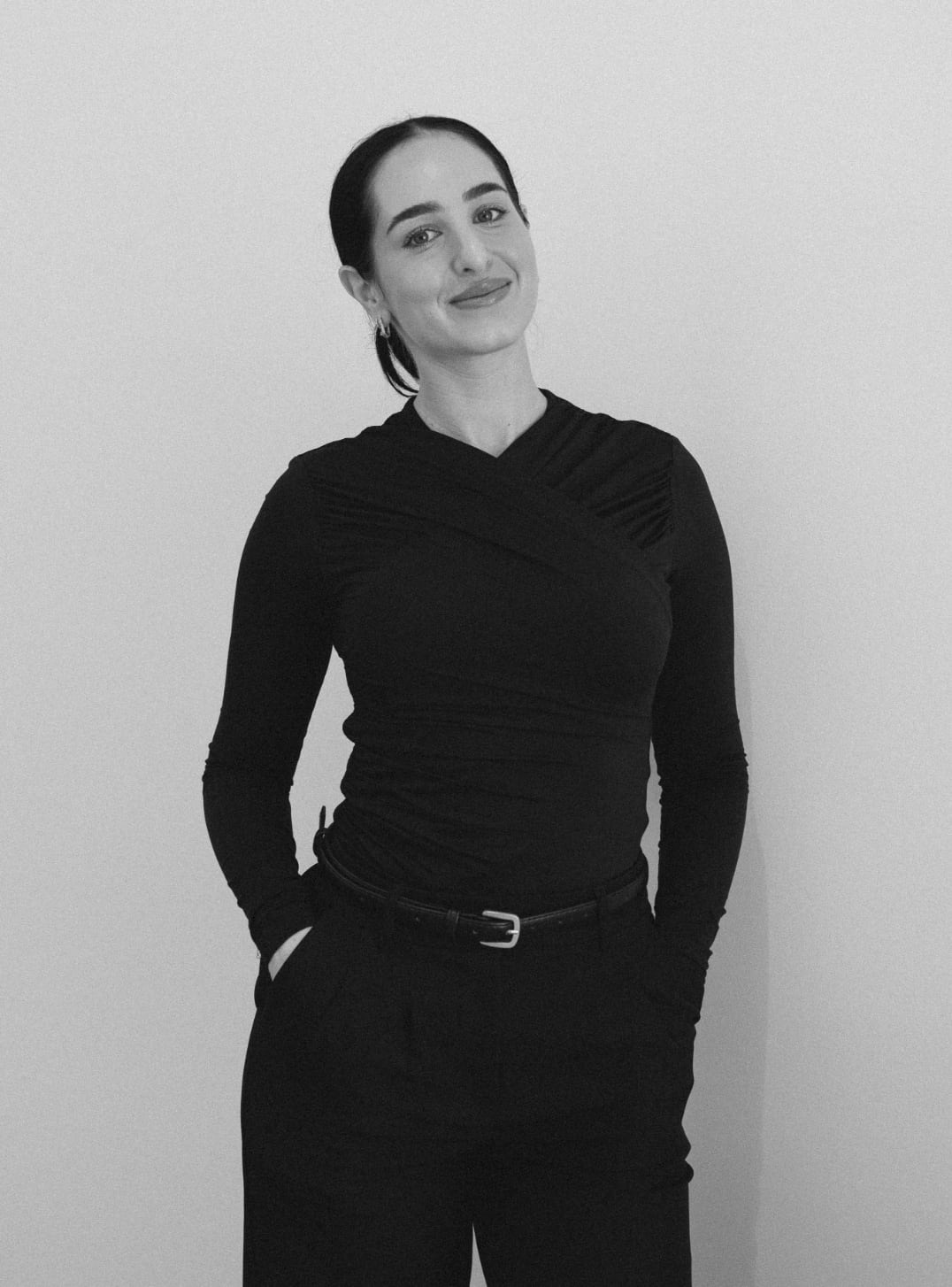
By Tayla Malouf, Registered Nurse (AHPRA NMW0002793002) · SSKIN Australia, Robina
You did the thing. Eight months of work, or two years, or one very determined year that started in January. The clothes fit. The numbers moved. And then you catch yourself in the car mirror in the good afternoon light and think: when did my face get so tired?
You're not imagining it, and you're not being vain. The face is usually the first place a body shows weight loss and the last place anybody warns you about. Here's what's actually happening under the skin, what won't fix it, and what a nurse looks at before suggesting anything at all.
The short version
- Your face didn't age. It deflated, and deflation reads as ageing because the shadows land in the same places.
- Facial fat sits in small, separate compartments that don't refill evenly, so losing volume changes your face's shape, not just its size.
- The faster the weight came off, the less time your skin had to retract with it.
- It is assessable. A nurse can tell you which part of the change is volume, which part is skin quality, and which part is nothing to do with weight loss at all.
Why the face goes first
Your face isn't padded with one even layer of fat. It's built from a set of small compartments (temples, upper and lower cheek, under-eye, jawline), each with its own blood supply, sitting in a specific position, holding the skin above it up and out.
When you lose weight, those compartments don't all empty at the same rate. Some hold on. Some go early. The result is that the face doesn't get uniformly smaller, it gets unevenly smaller, and your eye reads that unevenness as age rather than as loss.
Underneath the fat there's a second thing happening. Skin has a fixed amount of surface area. Take the support out from behind it and the skin doesn't shrink to match on demand. That's especially true after 35, and especially if there's sun history, which on the Gold Coast there almost always is.
The five places it shows up
Most people who come in describing "looking older" are describing one or more of these, without having the words for it:
- Temples. They hollow. It narrows the top third of the face and makes the brow bone stand out, which is why the eyes can suddenly look severe.
- Upper cheek. The high point of the cheek drops. That's the single biggest reason a face reads as older, because light no longer catches where it used to.
- Under the eye. The hollow deepens and the shadow gets darker. This is the one people wrongly blame on sleep.
- Jawline and jowls. Support goes from the lower cheek, the skin above it has nowhere to sit, and it settles along the jaw.
- The folds either side of the mouth. They look deeper, but they haven't grown. The tissue above them has come down.
Notice what's not on that list: nothing here is a wrinkle problem. That's why more retinol didn't help.
Is this because of a weight-loss program or medication?
This part matters, so we'll be straight about it. What changes the face is the rate and amount of weight lost, not any one method. Fast loss after surgery, after illness, through a hard training block, or through a medically supervised program produces the same structural pattern, and the faster it happens, the less time the skin has to keep up.
If you're on a prescribed program, that's between you and your prescribing doctor. We don't advise on medication and we'd never ask you to change or stop anything. What we can do is look at what's happened structurally, tell you honestly what's driving it, and talk through the options that exist for it.
What won't fix it
We'd rather say this out loud than have you spend money finding out.
A better skincare routine. Good skincare is worth doing and it will improve tone, texture and barrier health. It cannot put support back behind the skin. If the change you're seeing is structural, a serum is the wrong tool.
Putting the weight back on. It doesn't restore fat to the compartments it left. Bodies don't refill in the order they emptied, and the face is rarely first in the queue.
Filling the face up. This is the mistake we spend the most time undoing. Chasing hollows with volume, area by area, is how people end up looking heavier in the face and still not like themselves. The goal is restoring structure and the way light falls, not inflation.
Waiting until you're finished. More on that below, because the timing question is the one we get asked most.
What a nurse actually assesses
Every cosmetic treatment at SSKIN starts with a complimentary consultation with a Registered Nurse. No procedure goes ahead without one, and nothing is decided in the chair on the day unless you want it to be.
In that appointment your nurse is separating out three things that look identical in the mirror and are treated completely differently:
- Volume and support. Has something structural gone, and from where?
- Skin quality. Is the skin itself thinner, laxer, more crepey, and would treating the skin alone get you most of the way there?
- Everything unrelated to weight loss. Pigmentation, sun damage, hormonal change, natural bone remodelling. Not all of it is weight loss's fault, and it's not honest to bill it that way.
Then you'll get a plan with a sequence, realistic expectations and a clear quote. Governing bodies prevent us from listing specific cosmetic treatments online, so the detail happens in the room. Your nurse will walk you through every option available for what you've got, including the option of doing nothing yet.
That last one is real. Sometimes the answer is not that, and not now, and you'll hear it from us.
Where skin treatments fit
Plenty of people who book expecting an injectable conversation walk out with a skin plan instead, because skin quality was doing more of the damage than volume was.
If the skin envelope is the problem (laxity, crepiness, texture, tone), the work happens on the skin side of the clinic. Skin needling, RF skin tightening and bio-microneedling all target collagen in the skin itself, and a Skin Consultation with OBSERV imaging shows us what's under the surface before we choose anything.
Often it's both, running together, in a deliberate order. That's the point of having nurses and skin therapists under one roof. Nobody has to pretend their department is the answer.
If you're still losing, don't wait
This is the most useful thing in this article, so we've put it near the end where you'll remember it.
People assume you treat the face after the weight is off. In practice, starting the skin work while you're still losing is often the smarter play, because collagen-based treatments take months to do their job and you're better off having that process already underway than trying to catch up to a face that's changed faster than you expected.
Structural decisions are a different matter. Your nurse may well recommend waiting until your weight has been stable for a period before touching volume, precisely so you're not paying to correct a moving target. Which of those applies to you is exactly the sort of thing a consult sorts out in half an hour.
FAQ
Why does my face look older after losing weight? Because facial fat sits in separate compartments that empty at different rates, so the face loses shape and support rather than simply getting smaller. The hollows and shadows that creates fall in the same places as age-related change, so your eye reads it as ageing.
Will my face fill back out on its own? Generally, no. Fat doesn't return to the compartments it left, and regaining weight doesn't reverse the pattern. Some skin retraction continues for months after your weight stabilises, which is one reason a nurse may suggest waiting before making structural decisions.
Should I wait until I've finished losing weight? Not for skin. Collagen work takes months and is usually better started early. For volume and support, most nurses prefer your weight to be reasonably stable first. Your consult will tell you which camp you're in.
Is loose skin on my face the same as volume loss? No, and this is the distinction that decides your whole plan. Volume loss is missing support underneath. Laxity is the skin itself having lost elasticity. They look similar in a mirror and are treated in completely different parts of the clinic.
Do I need injectables, or will skin treatments be enough? Sometimes skin treatments genuinely are enough, and we'll say so. It depends on how much of what you're seeing is skin quality versus structure, which is what the assessment is for.
What happens at a cosmetic consult at SSKIN? You'll meet one-on-one with a Registered Nurse for a full-face assessment, discuss your concerns and your history, view before and after images in the clinic, and leave with a plan, realistic expectations and a clear quote. It's complimentary, and there's no obligation to book anything.
How much does it cost? The consult is complimentary. Pricing for anything that follows is quoted to you in person once we know what you actually need, because quoting a treatment before assessing a face isn't something we're willing to do.
Meet your nurse
Tayla Malouf is a Registered Nurse (AHPRA NMW0002793002) at SSKIN Robina. She works with a considered, detail-led approach and a focus on long-term skin health, and she is the one who will sit down with you, assess your full face and tell you what she actually sees.
Book the assessment, not a treatment
If you've lost weight and your face doesn't look like yours any more, the first step isn't choosing a treatment. It's finding out what changed.
Choose Cosmetic Consult (New Client) or (Existing Client) and pop "facial volume after weight loss" in the booking notes, so your nurse has time set aside for a proper full-face assessment.
Robina Lifestyle + Medical, 299 Scottsdale Drive, Robina. Or call the clinic on 07 5660 9691.
General information only, not medical advice. Suitability is assessed individually and results vary between people. All procedures carry risks, which your Registered Nurse will discuss with you at consultation. No specific treatments are named, in line with TGA advertising requirements.